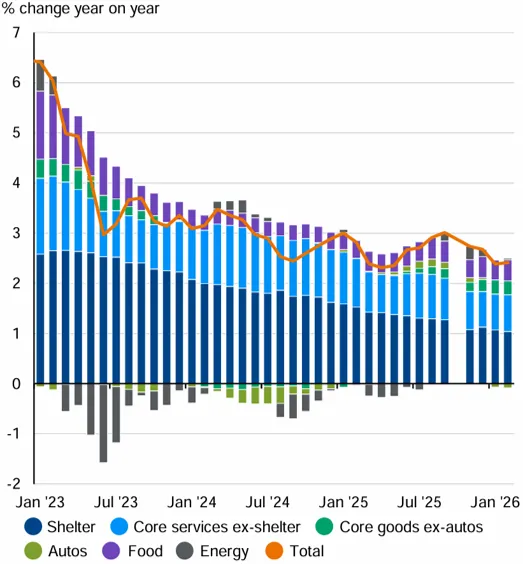
Policy risk returned to the forefront as central banks attempted to balance slowing growth against persistent energy-driven inflation pressures.
In the past few weeks, the dominant risk in markets has been geopolitical: the conflict in the Middle East, the threat of supply disruption, and the possibility that higher energy prices could once again feed through into inflation. This coming week, a cluster of major central bank meetings - including the US Federal Reserve, the European Central Bank and the Bank of England - will bring policy risk back into focus.
The distinction matters because these two types of risk behave very differently. Geopolitical shocks tend to produce sharp, often short‑lived spikes in volatility: markets rushing to price in previously unthought-of worst-case scenarios. Yet the worst rarely fully materialises and prices typically recover as the fog clears. But policy risk is more insidious. It embeds itself in expectations, reshapes yield curves, and can reprice entire asset classes over weeks and months rather than hours and days.
What makes the current environment particularly awkward for central banks is that the latest shock from the events in the middle-east is both inflationary and potentially growth‑damaging. Higher oil prices and the broader costs of going to war push headline inflation up and risk feeding through into wages and services prices if they persist, yet at the same time uncertainty tends to weigh on confidence, investment and trade. That said, it is worth noting that in the last week Brent crude spiked to nearly US$120/barrel before falling back below US$90 on Monday alone, and by Thursday Iran had effectively closed the Strait of Hormuz to commercial shipping, pushing the oil price back above US$100. This is not yet a receding event and thus it is difficult for policymakers to try to judge whether its effects are temporary and can largely be looked through, or the start of a more persistent inflation problem that demands a tougher response.