Debate surrounding the sustainability of US fiscal policy intensified as investors assessed rising deficits, political uncertainty and long-term debt risks.
Elon Musk’s public spat with US President Trump regarding US fiscal policy was widely reported last week and contributed to the ongoing discussion about the nation’s fiscal direction. Musk's critique of the “Big Beautiful Bill” focused on its substantial spending plans and the expected increase in federal debt. This perspective aligns with those who view the current financial trajectory as concerning. His comments have highlighted existing tensions in Washington, where the Republican Senate majority is narrow, raising the possibility that the bill may face obstacles, especially given several senators received election endorsements from Musk.
The Congressional Budget Office’s (CBO) latest estimates released last week show the debt ratio continuing to climb sharply. The US deficit is projected to rise to 6-7% of GDP in the near term, a level widely viewed as unsustainable - particularly with it arising during a period of full employment.
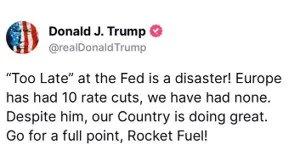
Although the CBO’s estimates suggest that the inflationary and growth impacts of tariffs may be less severe than previously feared, it is likely the US Federal Reserve will remain cautious on reducing interest rates, much to Trump’s consternation.