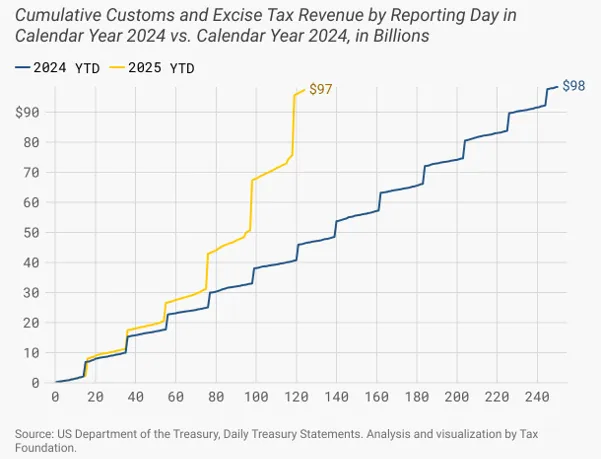
These imbalances are set to deepen with the passage of Trump's "One Big Beautiful Bill," legislation that is estimated to add in the region of $3.4 trillion to US federal debt over the coming decade. The bill makes permanent the 2017 tax cuts whilst implementing only modest reductions to social programmes.
However, with unemployment at just 4.1% and the US economy at or near full employment, orthodox economic theory suggests its administration should tighten rather than loosen the fiscal reins. Instead, the US finds itself running a deficit exceeding 6% of GDP during a period of expansion - levels typically reserved for recessions or wartime.
Closer to home, Chancellor Rachel Reeves confronts a parallel fiscal reckoning exposing the challenge of maintaining fiscal credibility against constrained resources. Her retreat from welfare reforms - abandoning c.£5 billion in annual savings following an internal party revolt last week - eliminated virtually all the government's fiscal headroom against its own borrowing rules.
Fortunately so far, financial markets have approach these dual issues calmly. The VIX remains subdued despite mounting trade tensions, whilst equity markets hover near record highs. However, historically, periods of apparent fiscal calm have given way rapidly to crises when underlying contradictions become unsustainable. The UK's experience during the 1976 IMF crisis and the 2022 Truss episode demonstrates how quickly market sentiment can shift when confidence erodes. Admittedly, the US has enjoyed greater immunity during previous episodes of fiscal excess, but even reserve currency issuers face limits.
The coming weeks will test whether markets maintain their current sanguine outlook. Thus we look to real assets (such as commodities), cash and absolute return type strategies to provide a diversified asset allocation across asset classes and continue to tilt towards active, value based strategies in equity funds as we think more about capital preservation.